


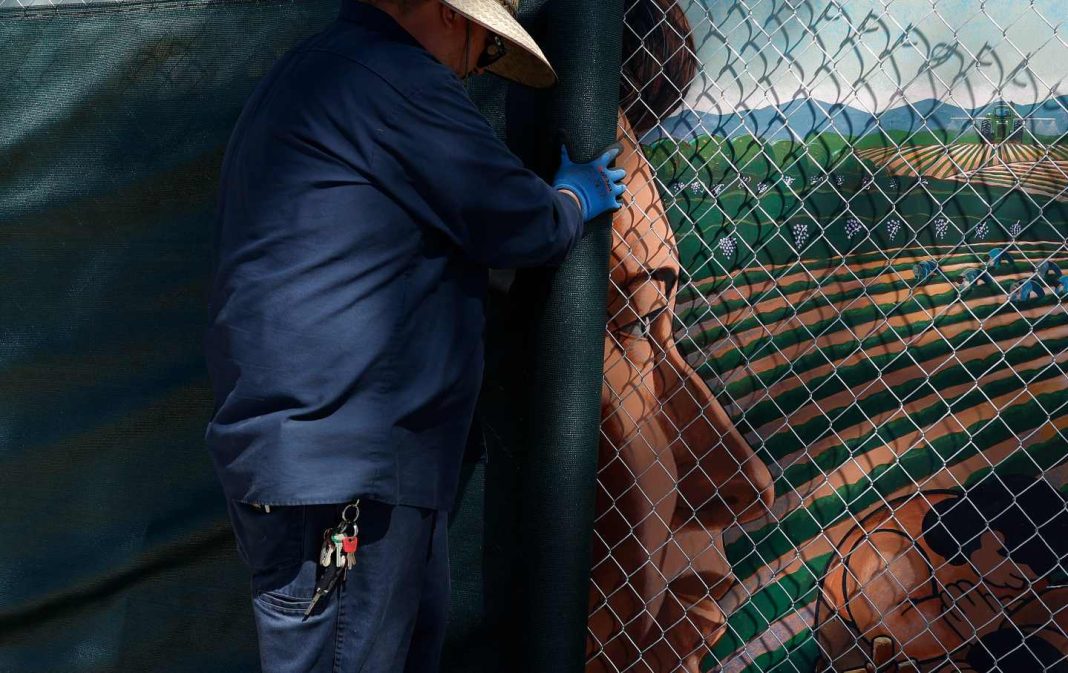

March 31, 2026
Letter to friends, students, colleagues, and collaborators.
Last Wednesday, I was confronted with a shattering reality. A person whom I had known, learned from, and worked with for many years had, at the same time, been inflicting devastating harm on girls and women vulnerable to his assaults. To Ana Murgia, in particular, whom I knew then, I ask your forgiveness for not seeing you. And I want to thank you and your companions for finding the courage to speak out about your abuse and share your deep pain: choices that we can only meet with care and respect.
Like many of you, I was shaken by what came to light about Cesar’s abusive behavior. So I want to offer my own perspective—not because it settles anything, but because I lived some of this history and want to speak honestly of what I saw, what I didn’t see, and what I believe we now must reckon with together.
I first met Cesar in 1965. I worked alongside him, learned from and with him, and served beside him for seven years—on the union’s national executive board—and admired him deeply for many years. The movement that thousands of us had built had, for a time, transformed the lives of thousands of farmworkers and their families across California, Florida, Texas, and beyond. Boycotts we organized across North America united urban supporters, people of faith, labor activists, civil rights veterans, opponents of the Vietnam War, veterans of the civil rights movement, students, and many others. And the movement brought recognition, dignity, pride, and power to the Latino community. Many were immigrants or the children of immigrants, inspired not by political, military, or business leaders but by a movement in which one’s grandmother, working in the fields near Fresno, was now, suddenly, on a UFW picket line fighting for her rights. For the first time in history, a movement effectively challenged the system of exploitation rooted in California agriculture.
Current Issue

The movement also became a school of leadership, organizing, and action in which so many found the courage and the mentorship to risk, to try, and to learn. Any survey of California unions, community groups, elected leaders, educators, and more would reveal so many people who got their start as volunteers with the farmworkers. I was no exception. I got my first lesson in electoral politics when assigned in 1968 to getting out the Latino vote in East LA and winning the June 6 California primary for Bobby Kennedy.
The people who built the movement also paid the price—not only by surviving on donated food or serving as full-time volunteers supported at only $5 per week—but some had their lives taken. The first person who lost her life was an 18-year-old college student from Boston, Nan Freeman, crushed to death by a truck while picketing a sugar plant in Florida. Naji Daifullah, a strike leader, an immigrant from Yemen, beaten to death by a Kern County deputy sheriff. Juan de la Cruz, an immigrant from Mexico, shot by a sniper on a picket line south of Bakersfield two days later. And Rufino Contreras, from Mexicali, murdered by a foreman supervising strikebreakers in Imperial Valley.
One day, almost five years ago, a young woman earning her master’s at Harvard’s Ed School dropped by my office. She had come, she said, to deliver a greeting from her grandparents. They had been farmworkers, had helped to build the movement—a movement that had everything to do with her getting to graduate school.
Cesar’s leadership contributed enormously to all of this, but it was never “his” movement. It belonged to all of us. It was real. It mattered. And it must not be erased.
The truth is always more complex than the mythology. By the mid-1970s, as the union was growing rapidly, something had broken in him and the Cesar we thought we knew became a negative of himself: Vision gave way to paranoia, courage to fear, relationships to isolation, and curiosity to suspicion. Organizing gave way to purges, witch hunts, and absolute personal loyalty, and within a few short years much of the organization we had built was in shambles.
What most of us did not know—or did not see—was that his abuse of women and girls had been present far earlier, enabled by a small inner circle, so that as his pathology and power grew, so would his circle of harm. To those who have now come forward—and to Ana Murgia, whom I named at the start of this letter—your courage is profound, your pain is real, and you deserved so much better. I am sorry it has taken this long for the world to hear you.
After his death in 1993, a Chavez “industry” had emerged, marketing his image, his deeds, and his story such that one man was portrayed as the source of everything the movement had achieved. In the end, it cheapens the movement that thousands built and allows a leader to cause immense harm without accountability. So today, 40 years after his death, the discovery of this terrible evil in his life—and the pain it caused the most vulnerable—has landed with seismic force. In the last few days, people pulled books from shelves, renamed streets, and threw away 40- or 50-year-old pictures that were an honored part of a family’s heritage.
Cesar Chavez was a flawed human being of genuine and historic consequence who caused profound harm—harm that demands accountability, care for those he hurt, and honest reckoning. Our challenge now is not to choose between the good and the harm but to hold both, unflinchingly. That is harder than hagiography, and harder than exorcism. But it is the only path that honors the full truth—including the truth of everyone whose lives were changed for the better by what the movement built, and everyone whose trust, dignity, and humanity he betrayed.
This is the work I hope we can do together.
Popular
“swipe left below to view more authors”Swipe →
With love and respect,
Marshall
Even before February 28, the reasons for Donald Trump’s imploding approval rating were abundantly clear: untrammeled corruption and personal enrichment to the tune of billions of dollars during an affordability crisis, a foreign policy guided only by his own derelict sense of morality, and the deployment of a murderous campaign of occupation, detention, and deportation on American streets.
Now an undeclared, unauthorized, unpopular, and unconstitutional war of aggression against Iran has spread like wildfire through the region and into Europe. A new “forever war”—with an ever-increasing likelihood of American troops on the ground—may very well be upon us.
As we’ve seen over and over, this administration uses lies, misdirection, and attempts to flood the zone to justify its abuses of power at home and abroad. Just as Trump, Marco Rubio, and Pete Hegseth offer erratic and contradictory rationales for the attacks on Iran, the administration is also spreading the lie that the upcoming midterm elections are under threat from noncitizens on voter rolls. When these lies go unchecked, they become the basis for further authoritarian encroachment and war.
In these dark times, independent journalism is uniquely able to uncover the falsehoods that threaten our republic—and civilians around the world—and shine a bright light on the truth.
The Nation’s experienced team of writers, editors, and fact-checkers understands the scale of what we’re up against and the urgency with which we have to act. That’s why we’re publishing critical reporting and analysis of the war on Iran, ICE violence at home, new forms of voter suppression emerging in the courts, and much more.
But this journalism is possible only with your support.
This March, The Nation needs to raise $50,000 to ensure that we have the resources for reporting and analysis that sets the record straight and empowers people of conscience to organize. Will you donate today?
More from The Nation
Somehow, they’ve managed to top themselves in the crisis over TSA funding. Who knew that was even possible?
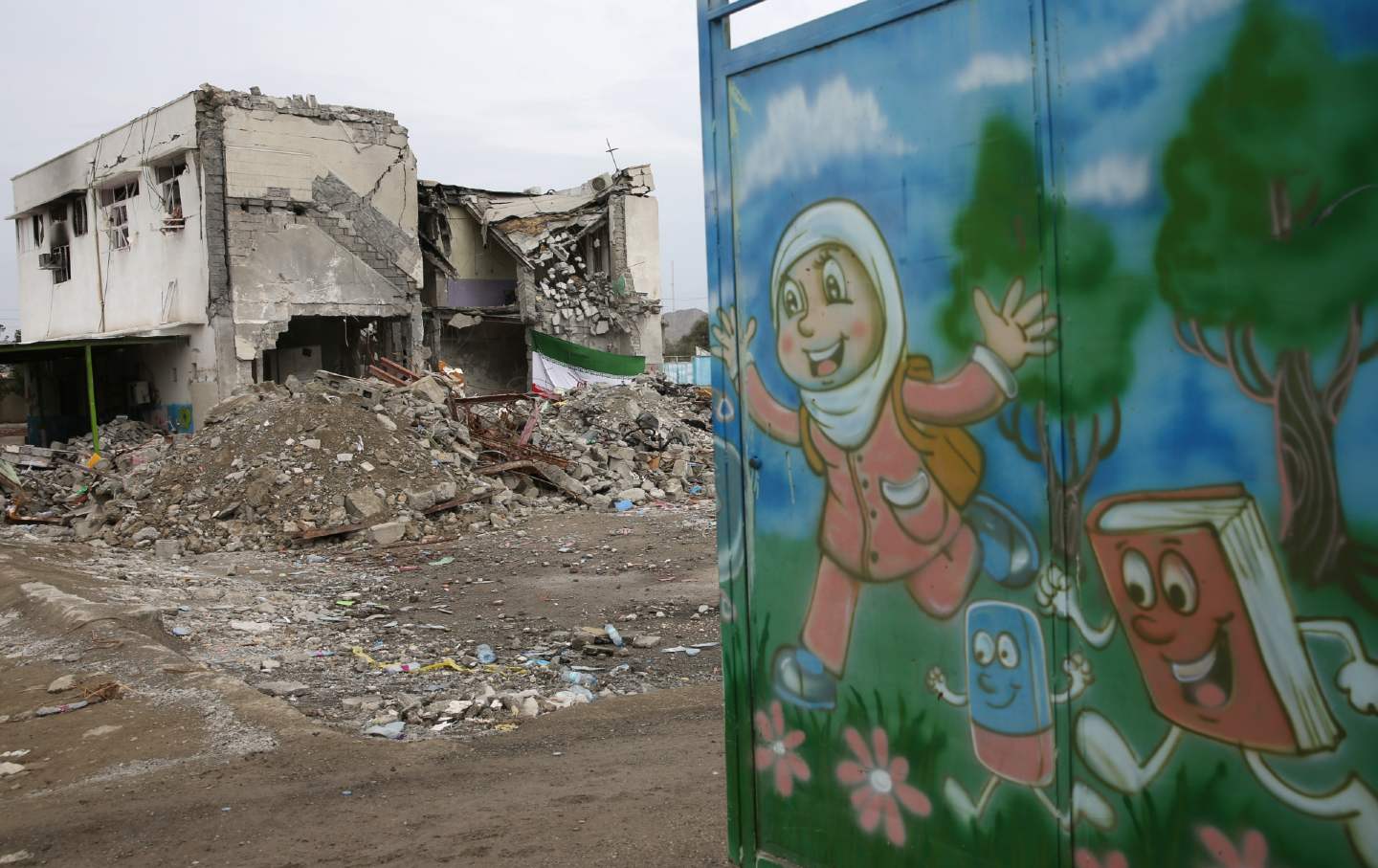
Under Trump, the US is unequivocally a force for evil in the world. It can seem morally intolerable to embrace happiness as our government massacres children.

The defense secretary is talking about Iran in bloodcurdling tones of religious extremism—and underscoring how much of a dangerous fanatic he is.
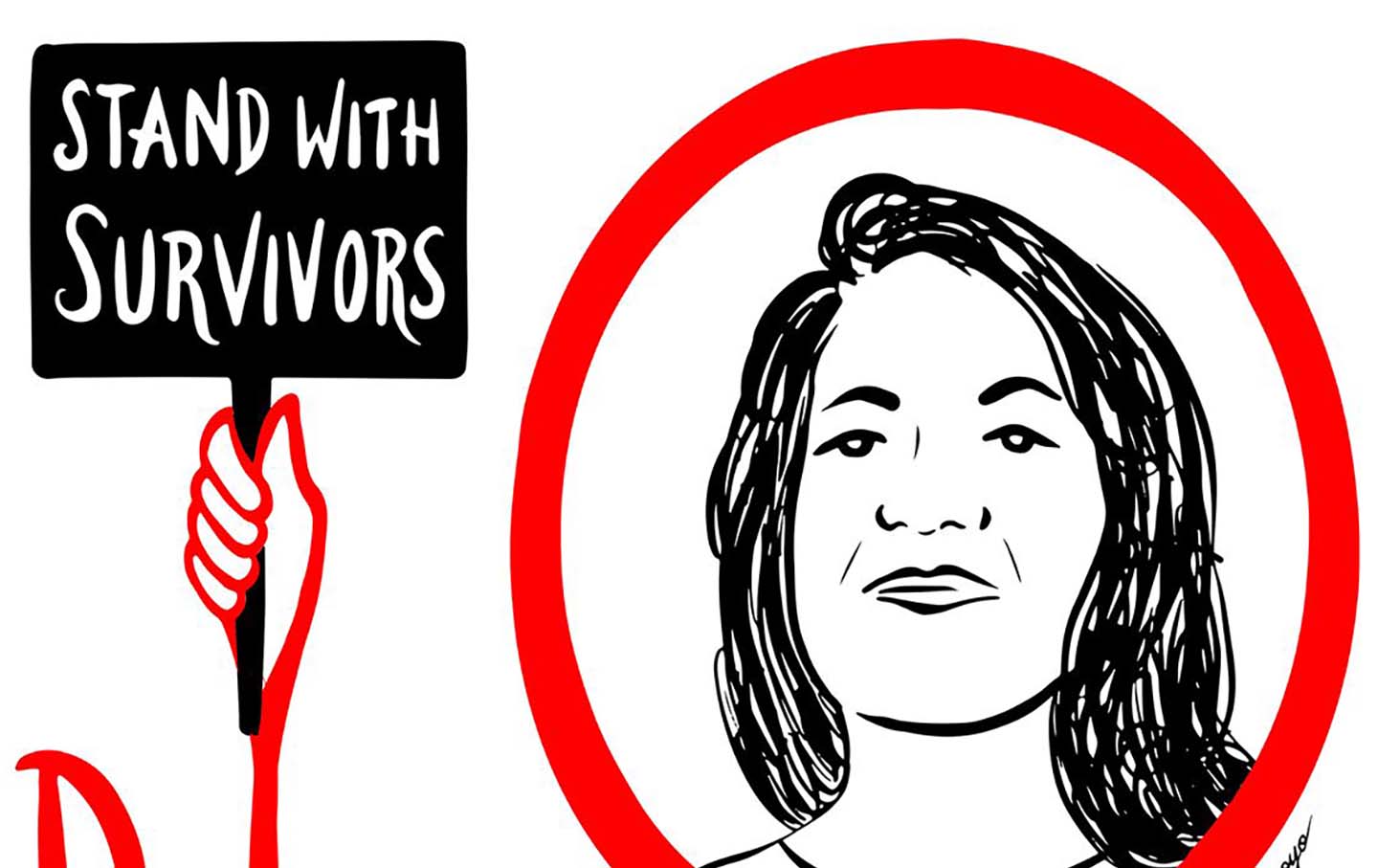
Huerta has stated that she is a survivor of abuse by César Chávez, amid broader claims by other women within the movement.
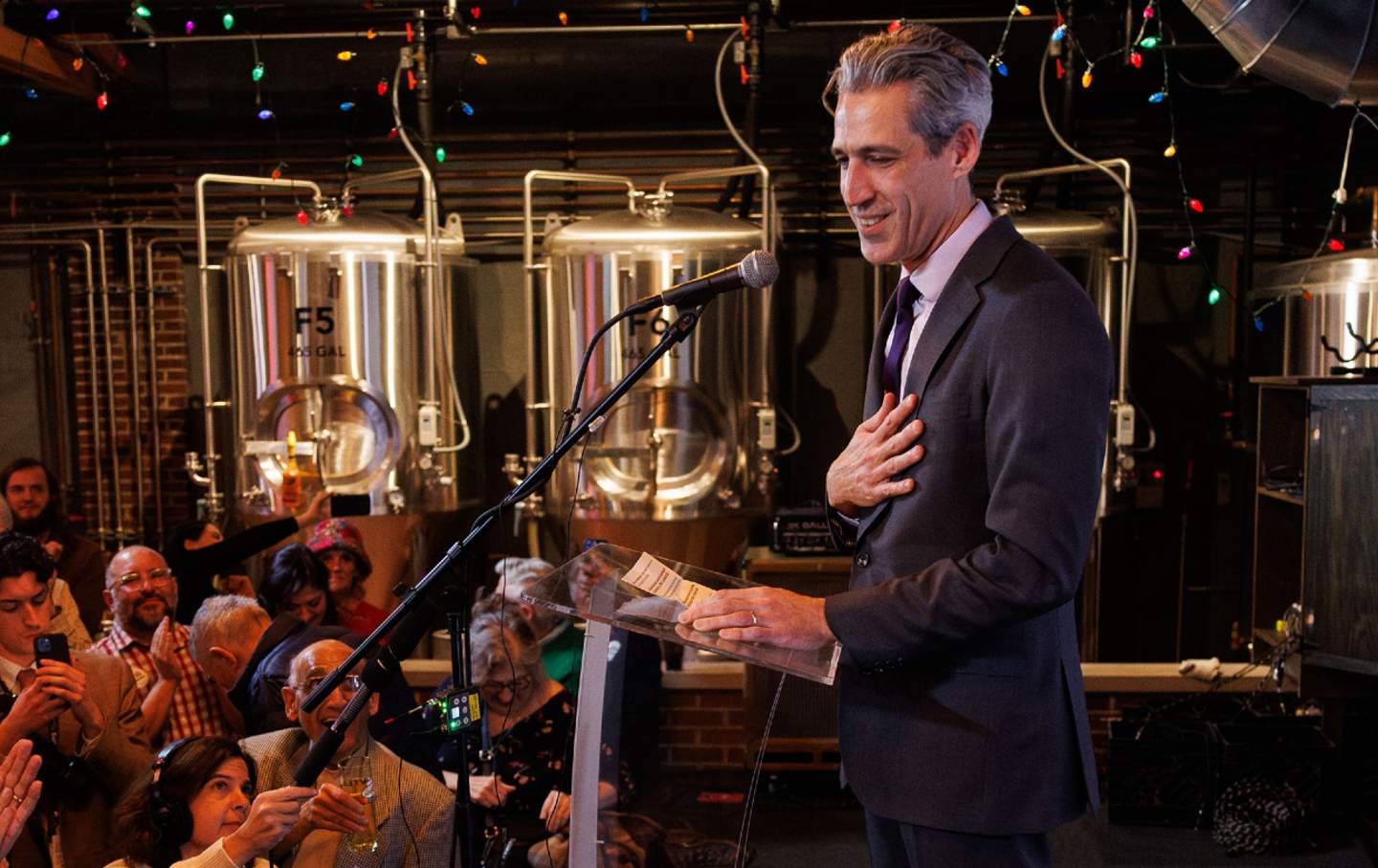
During his primary campaign, Daniel Biss called out AIPAC repeatedly, through the press, paid advertising, and in living rooms and public places across the district. It worked.
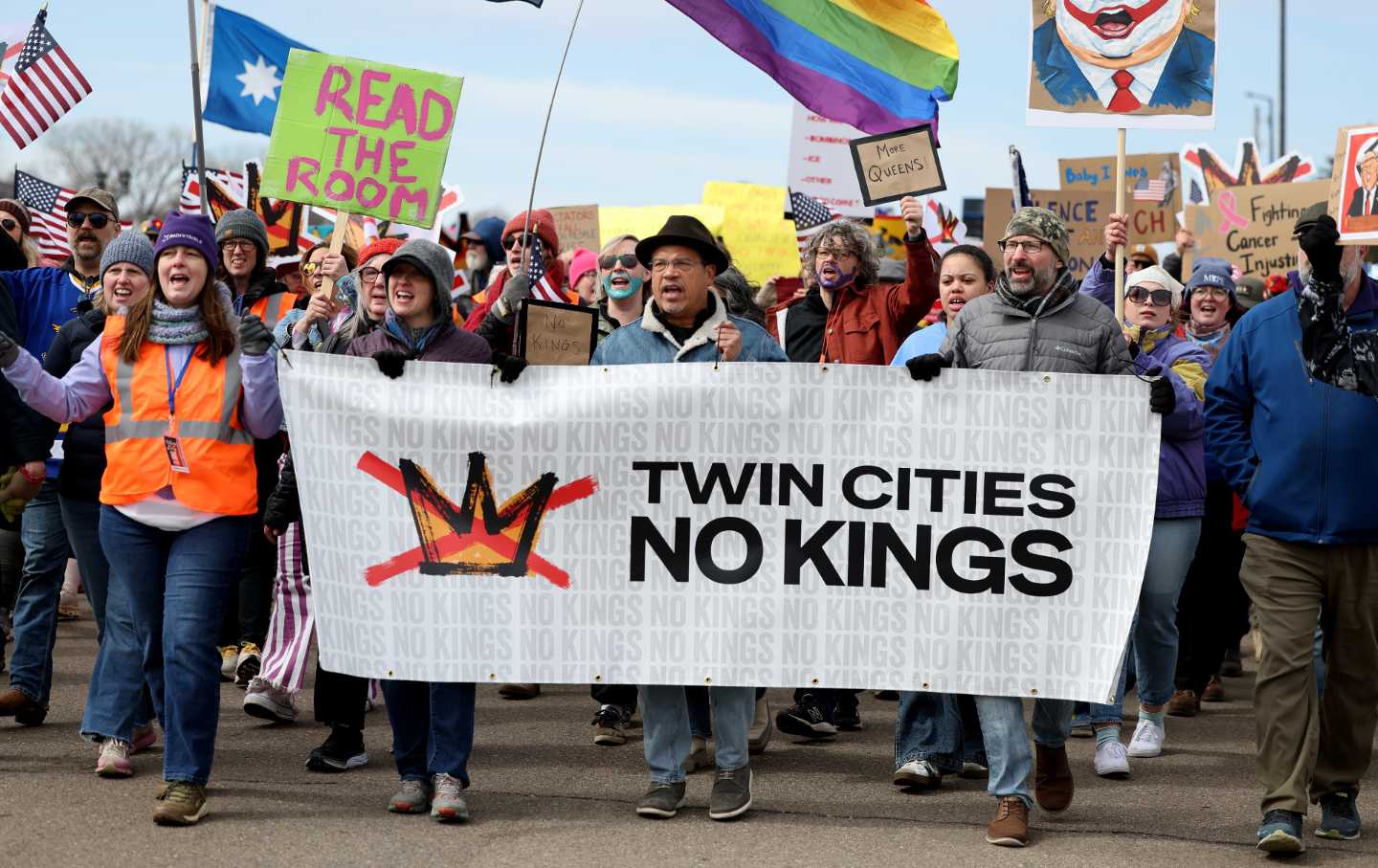
Some 200,000 people crammed the grounds of the state capitol for a celebration of the area’s resilience and defiance of the Trump regime.